


Essential Cookware and Kitchen Tools for a Beginner Homemaker
A Professional Chef’s Perspective
Setting up a kitchen is more than just buying pots and pans — it’s about creating a practical, comfortable space where cooking feels enjoyable rather than stressful. After years of working in professional kitchens, I can confidently say that the right cookware saves time, reduces food waste, and improves results.
A beginner does not need an oversized collection of tools. What truly matters is a well-chosen foundation.
Pots — The Core of Everyday Cooking
Pots are used almost daily, so quality matters.
Minimum Set:
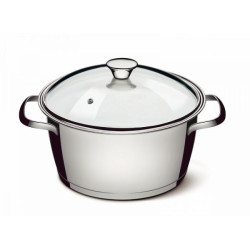
1. 2–3 Liter Pot
Perfect for soups, grains, pasta, vegetables, and everyday meals.
2. 4–5 Liter Pot
Ideal for family-sized soups, broths, stews, and batch cooking.
3. 1–1.5 Liter Saucepan
Great for sauces, reheating milk, oatmeal, or small portions.
Best Materials:
-
Stainless Steel — durable, non-reactive, and versatile.
-
Enamel-Coated Cookware — excellent for soups and slow cooking.
-
Multi-layer Thick Bottom — ensures even heat distribution and prevents burning.
Always make sure cookware is compatible with your stove type, especially induction.
Frying Pans — For Searing, Frying, and Sautéing
A good frying pan determines how well your food browns and cooks.
Essential Choices:
1. 24–26 cm (9–10 inch) Universal Frying Pan
Suitable for eggs, vegetables, meat, and fish.
2. Deep Sauté Pan with Lid
Perfect for stews, sauces, rice dishes, and one-pan meals.
3. Pancake Pan (Optional)
Low sides make flipping easier.
Materials:
-
Non-stick Coating — beginner-friendly and easy to clean.
-
Cast Iron — long-lasting and excellent for crispy crusts.
-
Stainless Steel — professional-level cooking performance.
Avoid overheating non-stick pans and never use metal utensils on coated surfaces.
Knives — The Most Important Kitchen Tool
You do not need a large knife block. Three high-quality knives are enough.
The Essentials:
-
Chef’s Knife (18–20 cm / 8 inch)
-
Paring Knife
-
Bread Knife (Serrated)
A sharp knife is safer than a dull one. Regular sharpening is essential.
Cutting Boards
At least two boards are recommended:
-
One for raw meat and fish
-
One for vegetables, fruit, and bread
This prevents cross-contamination and improves kitchen hygiene.
Mixing Bowls and Baking Dishes
A beginner cook should have:
-
2–3 mixing bowls (different sizes)
-
Colander
-
Baking dish (glass or ceramic)
-
Baking tray
-
Measuring cup
These tools allow you to prepare baked dishes, casseroles, roasted meats, and desserts.
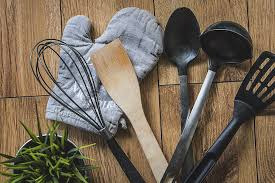
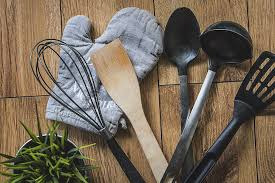
Small Kitchen Tools That Make a Big Difference
-
Silicone spatula
-
Wooden spoon
-
Whisk
-
Ladle
-
Grater
-
Can opener
-
Kitchen tongs
-
Pot lids
Though simple, these items significantly improve comfort and efficiency in the kitchen.
Serving and Food Storage
To complete a functional kitchen:
-
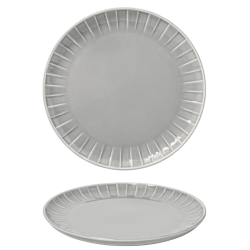
Deep and flat plates
-
200–300 ml mugs
-
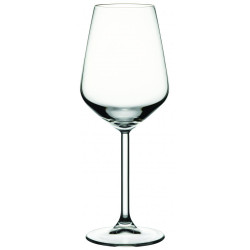
Drinking glasses
-
Food storage containers
Good storage keeps your kitchen organized and reduces food waste.
How to Choose Quality Cookware: Professional Advice
✔ Thick bottom for even heating
✔ Secure, well-attached handles
✔ Dishwasher compatibility (if needed)
✔ No strong chemical smell from coatings
✔ Comfortable weight and balance
It is better to invest gradually in quality cookware rather than buying a large inexpensive set that won’t last.
Common Beginner Mistakes
-
Buying oversized cookware sets with unused pieces
-
Using one cutting board for everything
-
Choosing very thin, low-quality pots and pans
-
Saving money on knives
A thoughtful, minimal setup is the smartest way to start.
Starter Kitchen Checklist
-
2–3 pots
-
2 frying pans
-
3 essential knives
-
2 cutting boards
-
Mixing bowls
-
Baking dish
-
Basic kitchen utensils
With this foundation, you can prepare soups, pasta, meats, fish, vegetables, baked meals, and desserts with confidence.
A well-equipped kitchen is not about quantity — it’s about choosing the right tools that support your cooking journey from the very beginning.